
The Future of Cybersecurity: How Modern Businesses Stay Protected with AdvanzaTech
Introduction
The cloud has changed how businesses operate forever. From startups in Karachi to enterprises in Dubai and healthcare providers in New York — organizations of every size now store their most critical data, run their core applications, and connect their teams through cloud platforms like Microsoft Azure, Amazon AWS, and Google Cloud.
But with this transformation comes a serious question that too many businesses are still not asking loudly enough:
What Is Cloud Security — And Why Does It Matter More Than Ever?
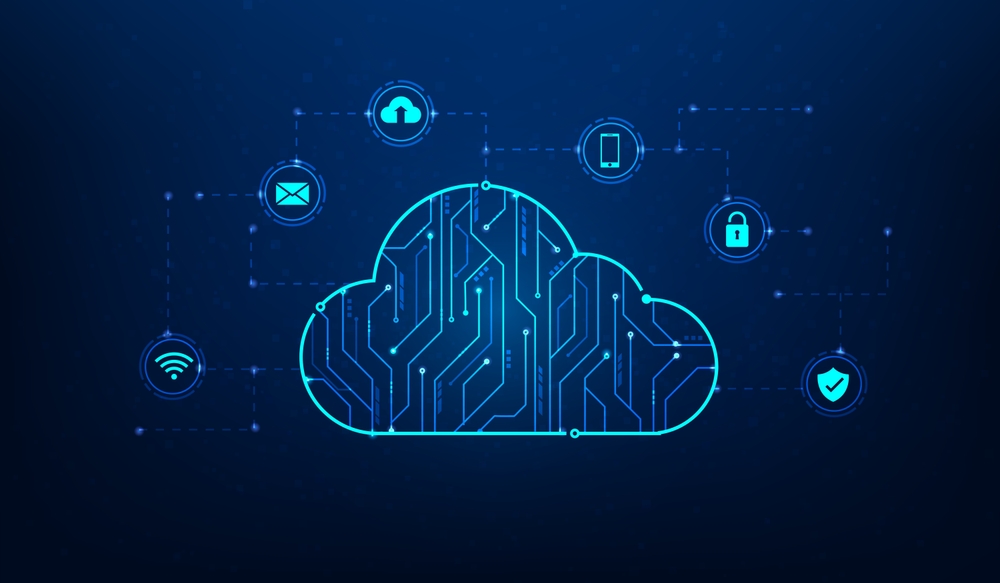
Cloud security is the collection of policies, technologies, controls, and practices designed to protect cloud-based systems, data, and infrastructure from unauthorized access, data loss, and cyberattacks.
Unlike traditional on-premise security — where your data sits behind a physical firewall in your office — cloud security must protect data that lives across multiple geographies, is accessed by dozens or hundreds of users on different devices, and is shared with third-party vendors and service providers.
This creates a fundamentally different — and more complex — attack surface.
The three most common cloud deployment models each carry their own security responsibilities:
- Public Cloud (AWS, Azure, GCP): The cloud provider secures the infrastructure; you are responsible for securing your data and access controls
- Private Cloud: Your organization controls the full environment — more secure but more expensive
- Hybrid Cloud: A mix of both — common in enterprise environments across UAE and Pakistan
Understanding this shared responsibility model is the first critical step. Many organizations assume the cloud provider handles everything. They do not — and that assumption is exactly what attackers exploit.
The Biggest Cloud Security Threats in 2026
1. Misconfigured Cloud Storage
The number one cause of cloud data breaches is not sophisticated hacking — it is simple misconfiguration. An S3 bucket left publicly accessible, an Azure blob storage with no authentication, a firewall rule that is too permissive — these mistakes expose millions of records every year.
In the UAE, a 2024 report found that 67% of cloud environments audited had at least one critical misconfiguration. In Pakistan, the rapid adoption of cloud without mature security practices has created similar risks across the banking, telecom, and government sectors.
2. Identity and Access Management (IAM) Failures
Who has access to your cloud environment? If the answer is “I am not entirely sure,” you have a problem.
Overprivileged accounts, shared credentials, and poor access governance are among the top entry points for cloud attackers. When an attacker compromises a single admin account with excessive permissions, they can access — and exfiltrate — your entire cloud environment within hours.
3. Insider Threats
Not all threats come from outside your organization. Disgruntled employees, negligent contractors, and compromised third-party vendors all pose serious risks to cloud environments. In a cloud-first world where data is accessible from anywhere, insider threats are harder to detect and contain than ever before.
4. API Security Vulnerabilities
Modern cloud applications communicate through APIs — and those APIs are increasingly targeted by attackers. Insecure API endpoints can allow unauthorized access to cloud data, enable data injection attacks, and expose sensitive customer information without triggering traditional security alerts.
5. Ransomware Targeting Cloud Environments
Ransomware has evolved. Attackers no longer just target local servers — they now specifically seek out cloud backups and storage to encrypt or delete them, removing your recovery options and increasing pressure to pay. This trend has been particularly damaging for businesses in the UAE’s financial sector and US healthcare organizations.
6. Compliance and Data Residency Violations
For businesses operating across UAE, Pakistan, and the USA, cloud data residency is a serious compliance concern. Storing certain types of data in a cloud region outside your country’s borders may violate local data protection laws — even if accidentally.
Cloud Security Regulations — What UAE, Pakistan, and US Businesses Must Know
UAE — NESA, PDPL, and Dubai Cyber Security Strategy
The United Arab Emirates has one of the most advanced cybersecurity regulatory frameworks in the region. Key regulations impacting cloud security include:
UAE Personal Data Protection Law (PDPL) — Enacted in 2021, this law governs how personal data of UAE residents is collected, processed, and stored. Organizations must implement appropriate technical and organizational measures to protect cloud-hosted personal data, and cross-border data transfers require specific safeguards.
NESA (National Electronic Security Authority) — NESA’s Information Assurance Standards apply to critical national infrastructure sectors including energy, banking, transport, and healthcare. Organizations in these sectors must demonstrate cloud security controls aligned with NESA requirements.
Dubai Cyber Security Strategy — Dubai’s Smart City ambitions come with strict cybersecurity expectations. The Dubai Electronic Security Center (DESC) sets standards for cloud adoption by government entities and their partners.
Penalties: PDPL violations in the UAE can result in fines of up to AED 5 million for serious breaches, with higher penalties for organizations that fail to notify authorities of incidents.
Pakistan — PECA and PTA Data Protection Framework
Pakistan’s digital economy is growing rapidly, and regulatory frameworks are catching up.
Prevention of Electronic Crimes Act (PECA) 2016 — PECA imposes obligations on organizations to protect data and report cybersecurity incidents. Cloud service providers and businesses using cloud platforms must ensure data is not accessed, transmitted, or stored in ways that violate PECA provisions.
PTA Cloud Policy — Pakistan Telecommunication Authority (PTA) has issued guidelines for cloud service providers operating in Pakistan, including requirements around data localization for sensitive government and financial data.
State Bank of Pakistan (SBP) Regulations — Financial institutions in Pakistan using cloud services must comply with SBP’s cloud computing guidelines, which mandate risk assessments, vendor due diligence, and strict access controls.
USA — FedRAMP, SOC 2, and Sector-Specific Regulations
The United States has a complex, sector-driven regulatory landscape for cloud security.
FedRAMP — Any cloud service used by US federal agencies must be FedRAMP authorized, ensuring a baseline of security controls.
SOC 2 Type II — While not a law, SOC 2 compliance is increasingly required by US enterprise clients as proof of cloud security maturity. It covers security, availability, processing integrity, confidentiality, and privacy.
CCPA (California Consumer Privacy Act) — For businesses serving California residents, CCPA imposes strict requirements around how personal data stored in the cloud is handled, shared, and protected.
Sector-specific laws (HIPAA for healthcare, GLBA for finance, FERPA for education) add further cloud security obligations depending on your industry.
The Role of Threat Intelligence in Modern Security
Threat intelligence provides real-time insights into cybercriminal activities, emerging vulnerabilities, and attack patterns.
Benefits include:
✔ Predictive threat detection
✔ Dark web monitoring
✔ Fraud & brand protection
✔ Pro-active defense planning

Cloud Security for Specific Industries
Financial Services (UAE and Pakistan)
Banks, fintechs, and insurance companies in UAE and Pakistan face among the strictest cloud security requirements in the region. Key priorities include encryption of financial data, strong IAM controls, detailed audit logging, and regulatory reporting capabilities. SIEM solutions and Privileged Access Management (PAM) tools like Fudo Security are especially valuable in these environments.
Healthcare (USA)
US healthcare organizations using cloud platforms must ensure their cloud environments are HIPAA-compliant. This means Business Associate Agreements (BAAs) with cloud providers, encryption of all PHI, strict access controls, and documented incident response procedures.
E-Commerce and Retail (Global)
Online retailers handling payment data must maintain PCI-DSS compliance across their cloud environments. Web application firewalls, DDoS protection, and API security are critical priorities.
Government and Critical Infrastructure (UAE and Pakistan)
Government entities and organizations supporting critical national infrastructure must align with NESA (UAE) and PTA/PECA (Pakistan) requirements. Data residency — keeping sensitive government data within national borders — is a non-negotiable requirement.
Cloud security is not a product you buy once — it is an ongoing program that requires expertise, the right tools, and continuous monitoring.
Many organizations in UAE, Pakistan, and the USA have the right intentions but lack the in-house expertise to implement and manage cloud security effectively. This is where a trusted cybersecurity distribution and solutions partner makes all the difference.
At Advanzatech, we bring together a carefully selected portfolio of world-class cloud security vendors — combined with deep regional expertise across the Middle East, South Asia, and North America — to help organizations build cloud security programs that are effective, compliant, and sustainable.
Our cloud security solution stack includes:
- Acronis Cyber Protect Cloud — Backup, disaster recovery, and ransomware protection for cloud workloads
- SecurEnvoy — Multi-factor authentication and identity security for cloud and hybrid environments
- Fudo Security — Privileged access management to control and audit admin access to cloud infrastructure
- Barracuda — Email security and web application firewall for cloud-hosted applications
- Lansweeper — Complete visibility into cloud and hybrid IT assets
- ThreatDown — Endpoint protection for devices accessing cloud environments
- Flashpoint — Threat intelligence to stay ahead of cloud-targeting threat actors
Whether you are migrating to the cloud for the first time, securing an existing cloud environment, or working toward regulatory compliance in UAE, Pakistan, or the USA — our team is ready to help.
Conclusion
Cloud security is no longer a nice-to-have — it is the foundation of doing business safely in 2026. The threats are real, the regulations are tightening, and the cost of getting it wrong has never been higher.
The organizations that will thrive are those that treat cloud security as a strategic priority — not an afterthought.
Whether you are an enterprise in Dubai navigating PDPL compliance, a financial institution in Karachi managing SBP cloud guidelines, or a technology company in the United States building toward SOC 2 certification — the path to cloud security starts with understanding your risks and taking deliberate, structured action.